Bitcoin avoided an inflation shock, now it has to prove the rally isn’t over
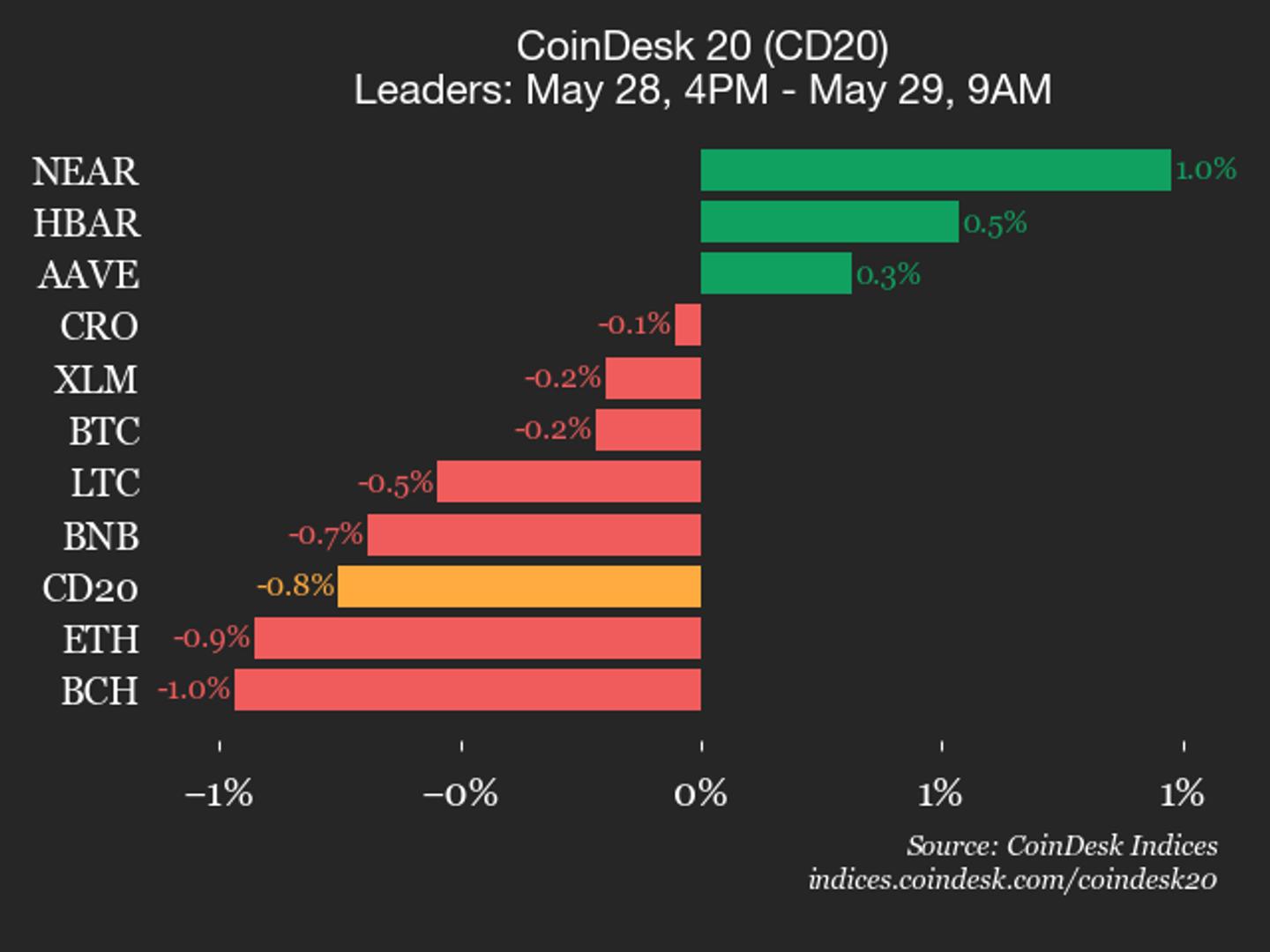
April PCE showed inflation largely in line with expectations, at 3.8% headline and 3.3% core, which eased fears of a fresh macro shock and helped stabilize risk assets. For Bitcoin, that removed a near-term downside catalyst, but it did not create new demand. BTC had already fallen below $75,000, touching about $72,500, with the $73,000-$75,000 support zone under pressure. US spot Bitcoin ETFs saw $733.4 million in net outflows on May 27, reinforcing the weakness. Markets already expect rates to stay unchanged for years, so Bitcoin’s next advance depends on internal demand, not easier Fed policy. A reclaim of $80,000 would improve the technical picture and reopen higher targets, while losing $73,000 would turn the pullback into a deeper distribution phase. Broader crypto risk appetite has held up, and geopolitical easing plus regulatory optimism provide some support, but they are not enough to offset sustained ETF redemptions.