Convicted scammer’s “seized” crypto moves to unknown wallets while in prison as DOJ failed to secure funds
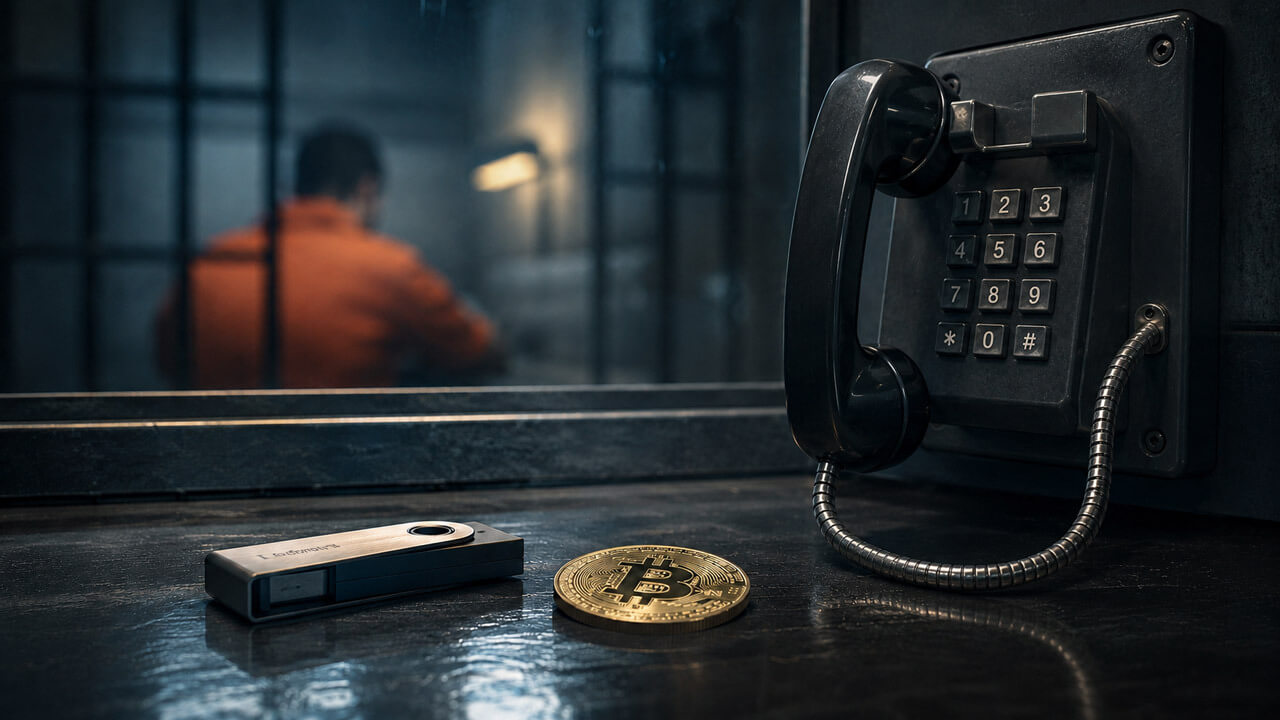
The Justice Department says Rossen Iossifov, a Bulgarian crypto exchange owner serving a prison sentence for prior money laundering and RICO convictions, allegedly conspired in January 2024 to move about $290,000 in cryptocurrency after a court had ordered the assets forfeited. Prosecutors say the funds were routed through multiple exchanges and mixing services, preventing the U.S. from taking possession. The case shows a gap between a forfeiture order and actual control of crypto: a court can freeze assets, but transfer can still occur until the government secures the private keys or moves the coins into a wallet it controls. DOJ policy says seized crypto should be transferred immediately to an agency-controlled wallet and kept in cold storage. The filings do not explain where the crypto was held or how the transfer was carried out from prison.