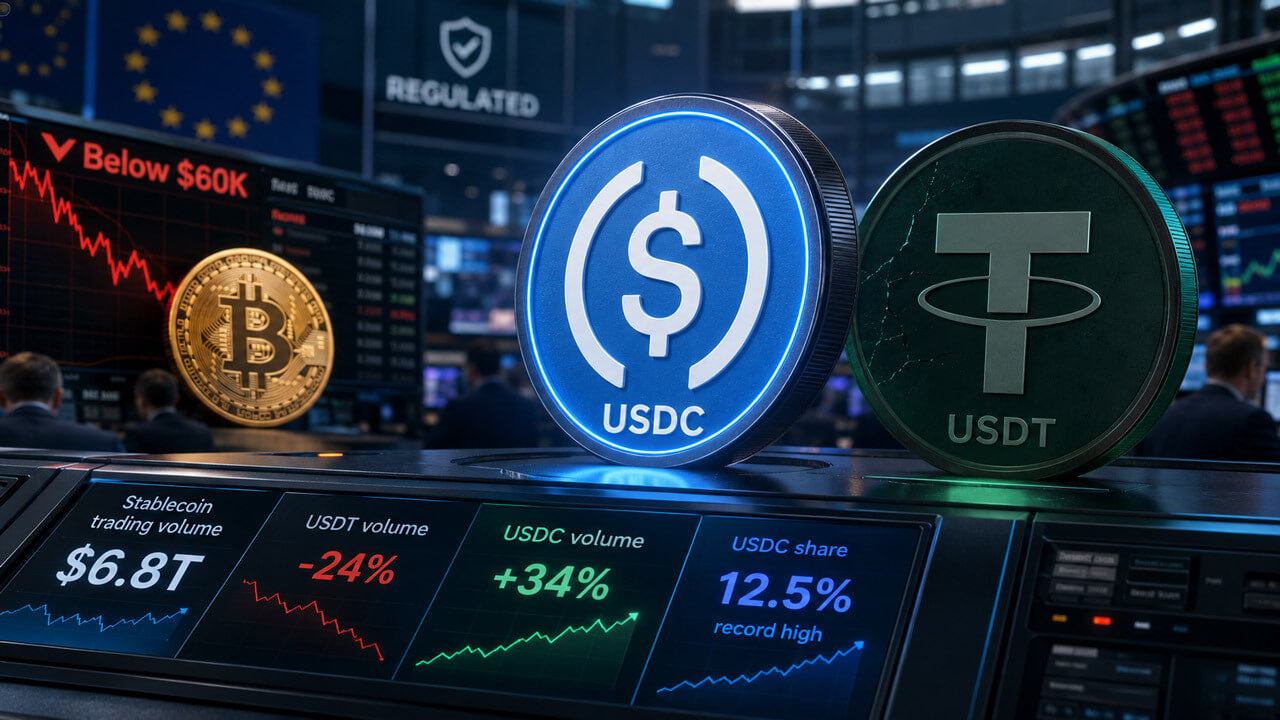
Stablecoins are becoming a central bank problem hiding in T-bill markets
Stablecoins are increasingly treated as part of dollar funding markets, not just crypto liquidity. BIS argues they still fail core money tests: singleness, liquidity elasticity, and integrity, because they lack central bank backstops and can fragment across venues. A BIS working paper estimates that a $3.5 billion stablecoin inflow can lower 3-month Treasury bill yields by up to 4 basis points within 10 days, showing that reserve allocation by issuers now affects safe-asset pricing. Related BIS research finds redemptions can force issuers to sell cash-like assets, and flow shocks can widen parity deviations, affect FX, and change short-term dollar funding premiums. With major stablecoins now around $260 billion in value, regulators in the US and Europe are focusing on reserve quality, redemption rules, and disclosure. BIS’s preferred response is tokenized bank deposits and central bank reserves, not private stablecoins, to preserve settlement safety while allowing programmability.