Stablecoins may not drain banks of dollars but they can still make lending more expensive
Summary
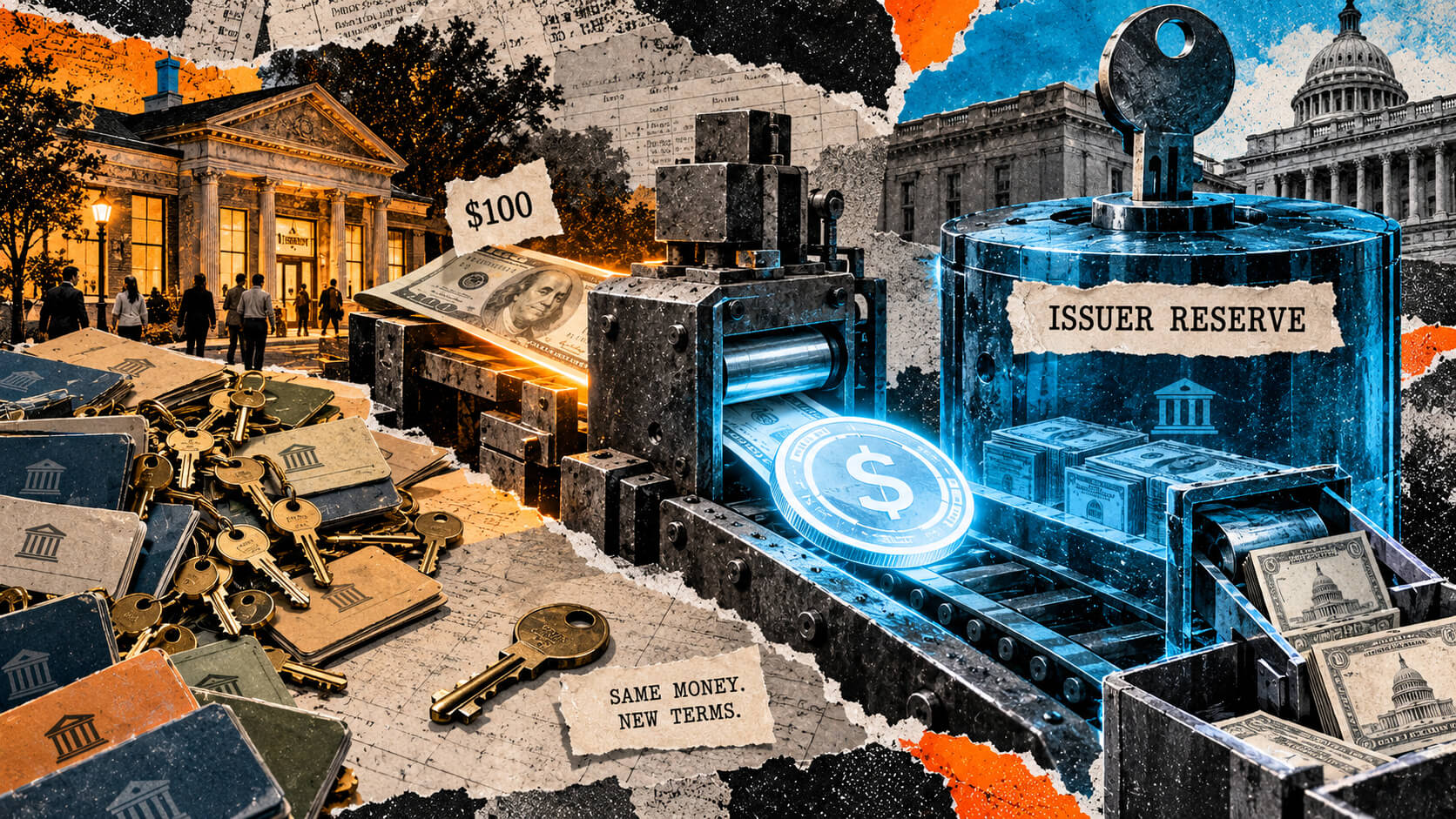
Stablecoins may not reduce total bank deposits if issuers keep reserves in banks, but they can turn many household accounts into large institutional deposits that banks may view as less dependable. That can raise estimated stress outflows and funding costs, potentially affecting lending. The impact depends on where reserves go—bank deposits, existing Treasury holders, banks, or the government—and which banks lose or receive funds. The analysis explains possible mechanisms, not proof that stablecoins have already reduced lending. Banks can respond with higher deposit rates, longer-term borrowing, or tokenized deposit products; stablecoins also offer payment benefits and greater competition.