The next currency crisis could turn $300 billion in stablecoins into national currencies
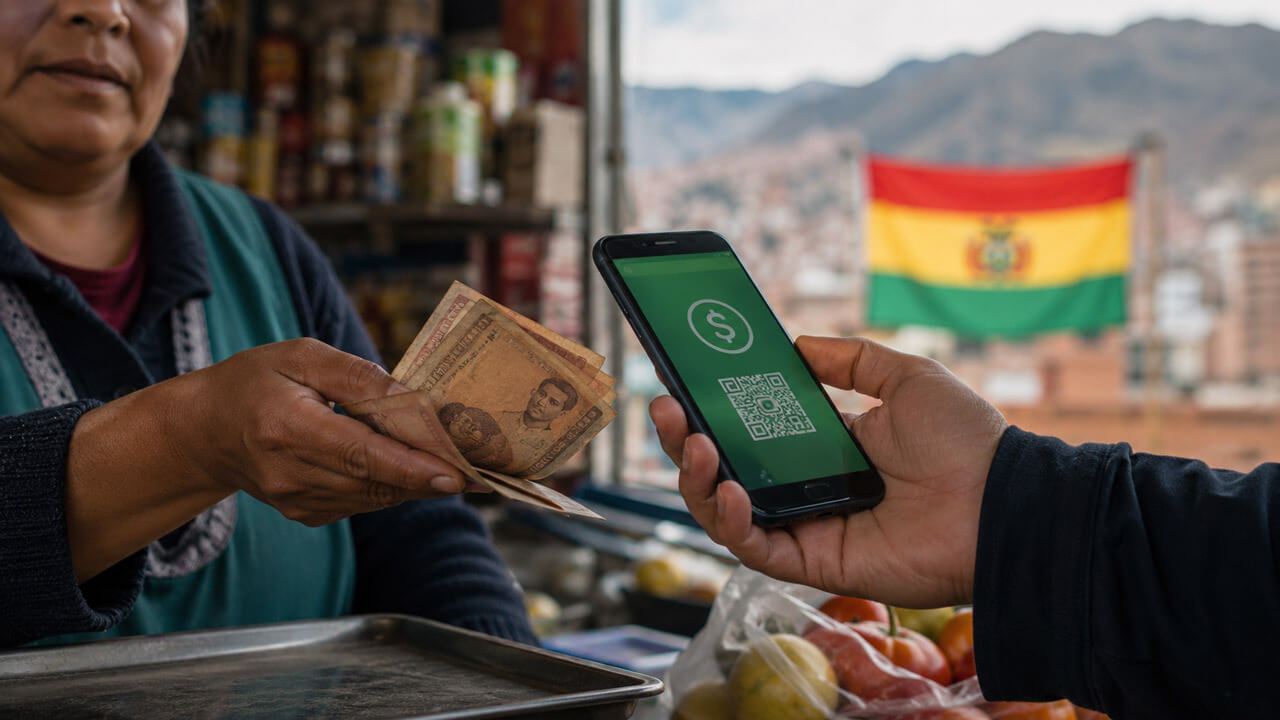
Bolivia is considering adding USDT to its regulated payment system alongside the boliviano and the US dollar, after lifting a crypto prohibition without yet creating a full framework. The country’s virtual-asset activity has surged sharply, suggesting rising demand for dollar-stable value and payment tools. More broadly, in economies facing currency weakness, inflation, or foreign-exchange shortages, people often move first into dollar-stablecoins, then merchants accept them, banks provide access, and governments later formalize what is already widespread. The IMF and BIS warn this can produce “digital” or “stealth” dollarization: local currencies lose use in savings, invoices, and payments, weakening central-bank policy transmission and making capital controls harder to enforce. Nigeria is cited as a major example, where stablecoin use expanded despite restrictions, with activity shifting to peer-to-peer channels. Stablecoin adoption also imports risks tied to private issuers, including reserve quality, sanctions exposure, freezes, and runs, while reinforcing global demand for dollar assets and Treasuries.