Transhumanism Branded a 'Death Cult' as Thinkers Clash Over Humanity's Future
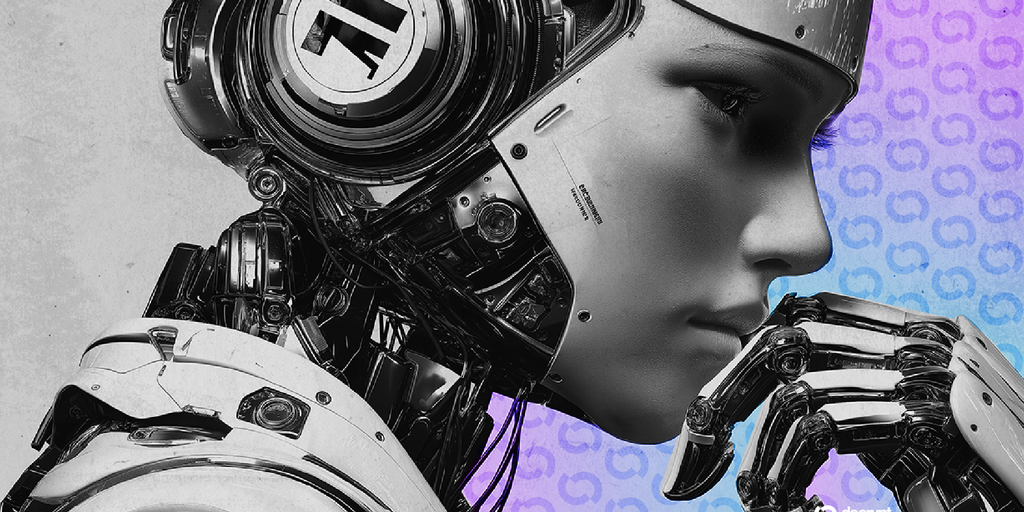
Transhumanism, an ideology advocating for overcoming aging and death through technology, was the focus of intense debate at a recent UK-based event. Neuroscientist and philosopher Àlex Gómez-Marín denounced transhumanism as a pseudo-religion that threatens the human condition, calling it a “death cult” driven by fantasies of immortality. Skeptics warn that merging humans with machines could undermine meaning, identity, and agency. While proponents, including Zoltan Istvan, argue transhumanism seeks to alleviate suffering and defeat aging—framing death as a curable disease—critics argue such ambitions primarily serve the wealthy and blur lines between science and faith. Philosopher Susan Schneider highlighted differences between using technology to improve health and radical aims like mind uploading, questioning the feasibility and ethics of digital immortality. She also cautioned that transhumanist rhetoric distracts from pressing concerns such as data privacy and equitable access. AI researcher Adam Goldstein urged a focus on actively shaping desirable futures through governance and cooperation, rather than relying on utopian or dystopian visions. The debate reflects ongoing tensions about technology’s impact on humanity’s future.