Wholesale inflation is back in focus. Here’s what PPI means for your money and Bitcoin
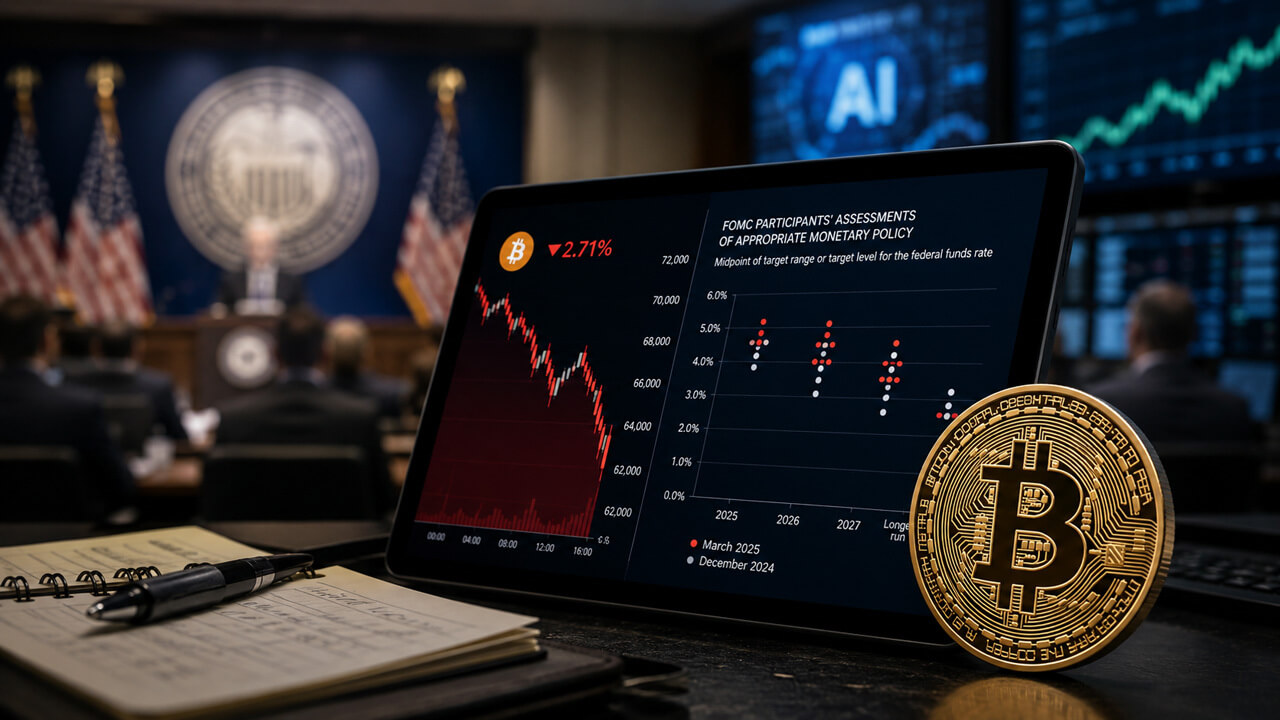
Bitcoin has been falling on hot inflation prints rather than benefiting from them. May Producer Price Index data showed wholesale inflation rising 1.1% month over month and 6.5% year over year, driven mainly by energy, with gasoline and other fuel costs surging because of oil-supply risks tied to the Iran conflict. Core producer inflation also remained elevated, suggesting price pressure is spreading beyond fuel. PPI matters because producer costs often flow into consumer prices with a lag, affecting CPI and the Fed’s preferred PCE measure. Higher wholesale inflation makes the Federal Reserve less likely to cut rates, supporting a stronger dollar and tighter liquidity conditions that tend to hurt risky assets like Bitcoin. Markets already expect the Fed to hold rates steady at its June meeting. Longer term, persistent inflation still supports Bitcoin’s fixed-supply thesis, but in the near term inflation data can weigh on the price by keeping monetary policy restrictive.