AI Promised to Save Time—Instead It's Created a New Kind of Burnout
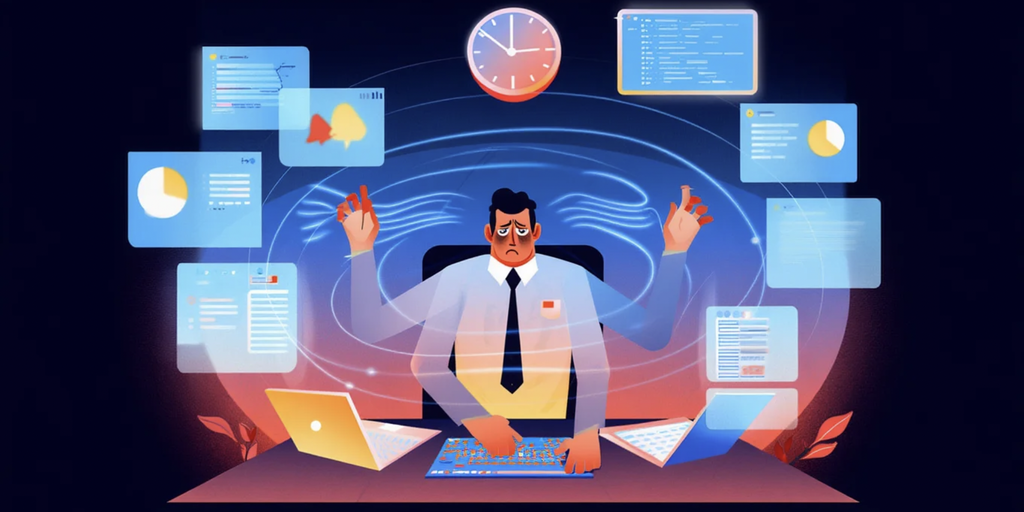
A recent Harvard Business Review study found that AI tools intensify work rather than reduce it. Eight months of research at a tech company showed that AI led to "workload creep": employees expanded their tasks beyond their original roles, with boundaries between responsibilities blurring. While AI made new tasks feasible, it shifted, rather than reduced, workload—engineers ended up reviewing or correcting work done by others using AI. The ease of AI interfaces led employees to work outside normal hours, and promoted multitasking, increasing attention-switching and longer task lists. This cycle led to higher reliance on AI, but also more work, fueling burnout. Surveys report 83% of corporate professionals and most AI users experience increased workloads and burnout, especially at lower organizational levels. Despite short-term productivity, researchers warn of long-term risks: cognitive fatigue, poorer decision-making, and higher turnover. They recommend that companies establish structured AI practices, such as scheduled pauses and boundaries, to avoid unsustainable work intensification.