Bitcoin miners have until 2027 to prove they deserve power on America’s overloaded grid
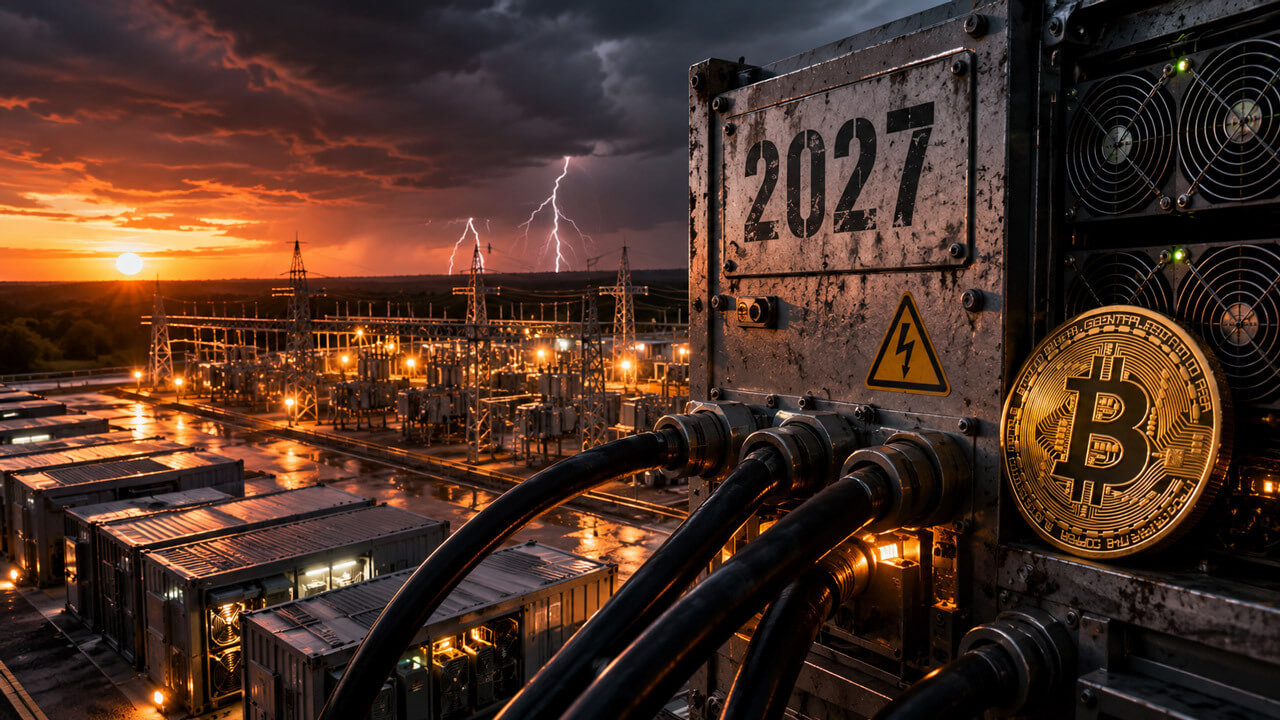
US electricity demand is forecast to hit record highs in 2025-2027, driven by AI data centers, crypto mining, and electrification, with commercial use surpassing residential use in 2026. That rising load is testing whether Bitcoin miners can prove they are a flexible grid resource rather than just another source of demand. In Texas and PJM, grid operators already use curtailment, demand response, and emergency conservation to manage large loads, and miners are increasingly judged on how reliably they can shut down during stress events. Their value now depends on both hashprice and grid-service performance: miners that can absorb renewable surplus and curtail during scarcity may earn a premium, while those that cannot may face higher power costs, tougher interconnection, and weaker site valuations. By 2027, operators should have enough data to see which large loads actually behave as promised.