Fed stress tests reveal whether banks can survive a 10% unemployment shock
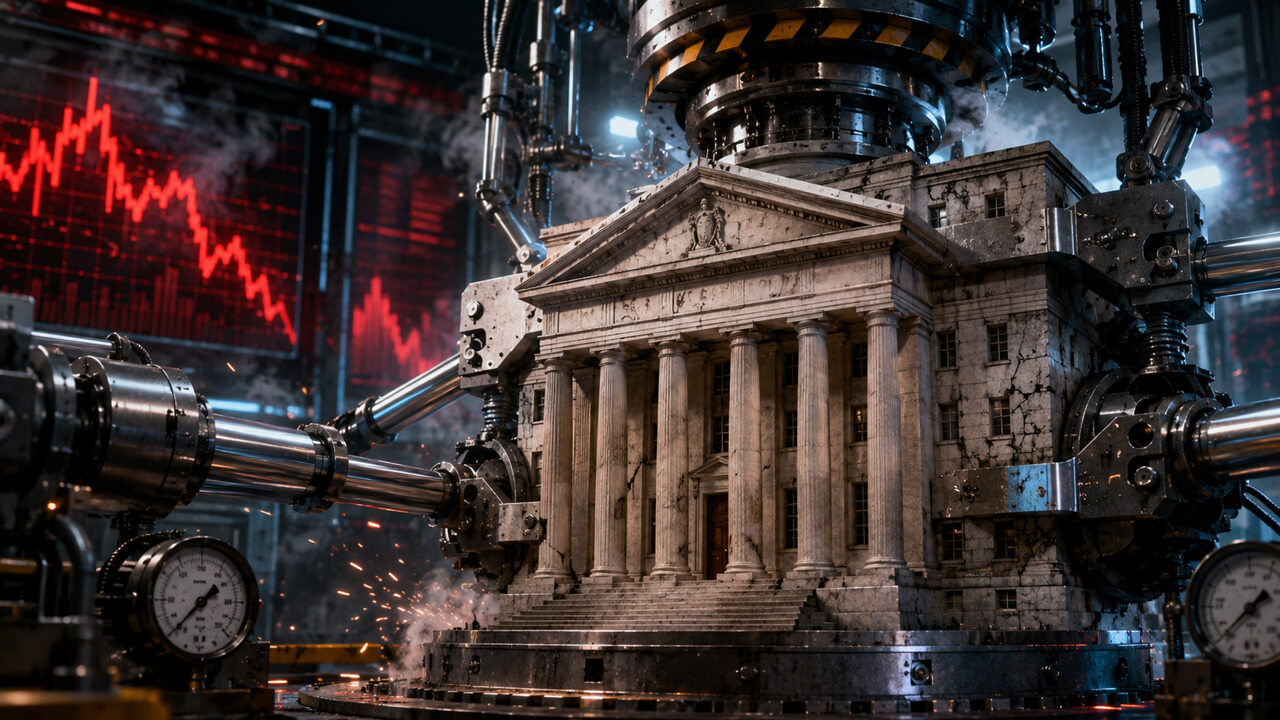
All 32 of the largest U.S. banks passed the Fed’s annual stress test after surviving a harsh hypothetical recession: unemployment at 10%, home prices down 30%, commercial real estate down 39%, and about $708 billion in losses. Even so, their common equity tier 1 capital stayed above minimum requirements. The result matters less than usual because the Fed froze stress capital buffer requirements until 2027 while it revises the models, so this year’s scores do not change capital requirements. That makes the test more of a system health check than a rule-setting event. The test exists because Dodd-Frank was created after the 2008 crisis to ensure major banks could absorb severe losses without another taxpayer bailout. This year’s scenario highlighted stress in commercial real estate, corporate credit, and trading markets. For Bitcoin, the bigger takeaway is macro: strong banks and a Fed that can stay restrictive support higher-for-longer rates and tighter financial conditions, which tends to pressure crypto. Banks look resilient, but Bitcoin remains sensitive to the risk environment they help shape.