Prediction markets have a major problem as most Americans reject betting on elections
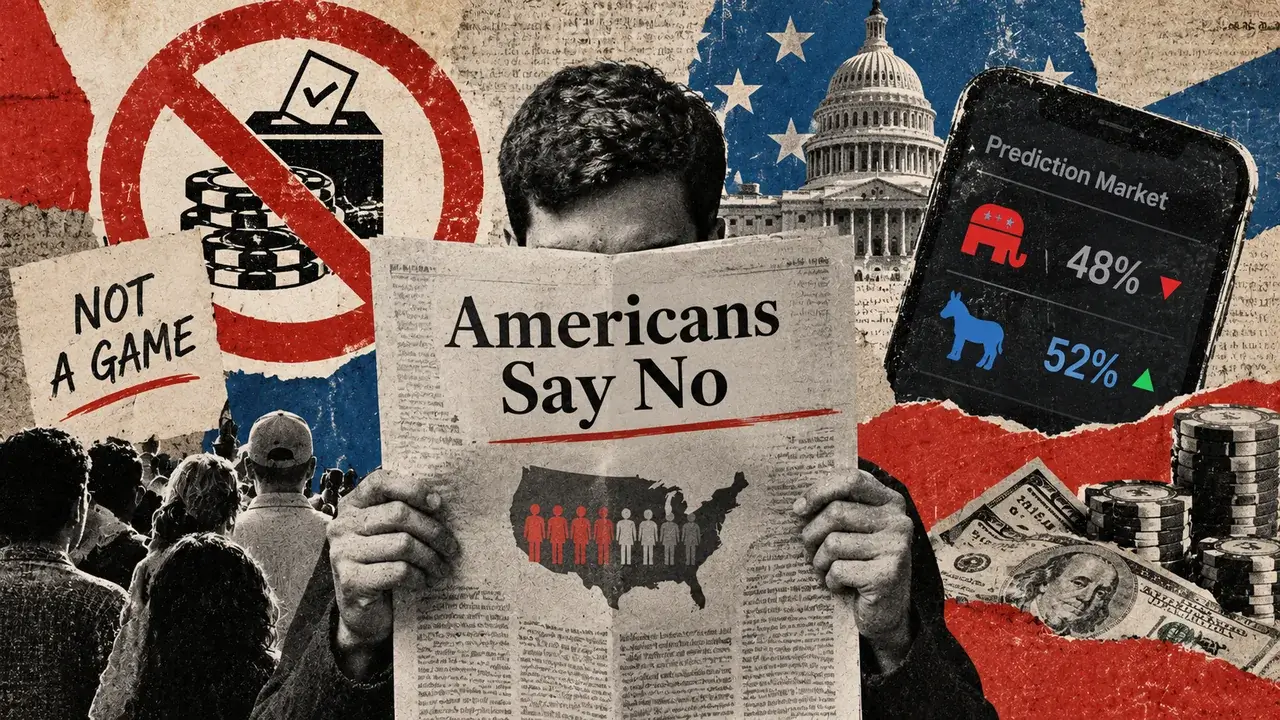
A Reuters-published Ipsos poll found that 69% of Democrats and 61% of Republicans oppose betting on election outcomes through prediction markets. The results challenge platforms’ claim that accurate forecasts justify election betting: voters may value the information while objecting to conflicts of interest and turning political outcomes into commercial products. Markets can aggregate expectations and help businesses hedge risks, but prices may reflect insiders’ privileged knowledge or incentives to influence events. Kalshi has added low-volume labels and trade feeds, and says it screens traders, bars relevant political insiders, and sanctioned four congressional candidates for trading on their own races. To earn credibility as sources of public information, platforms should disclose how forecasts are formed, compare predictions with outcomes, and explain enforcement actions. Better odds alone cannot resolve public concerns about who can profit from elections.