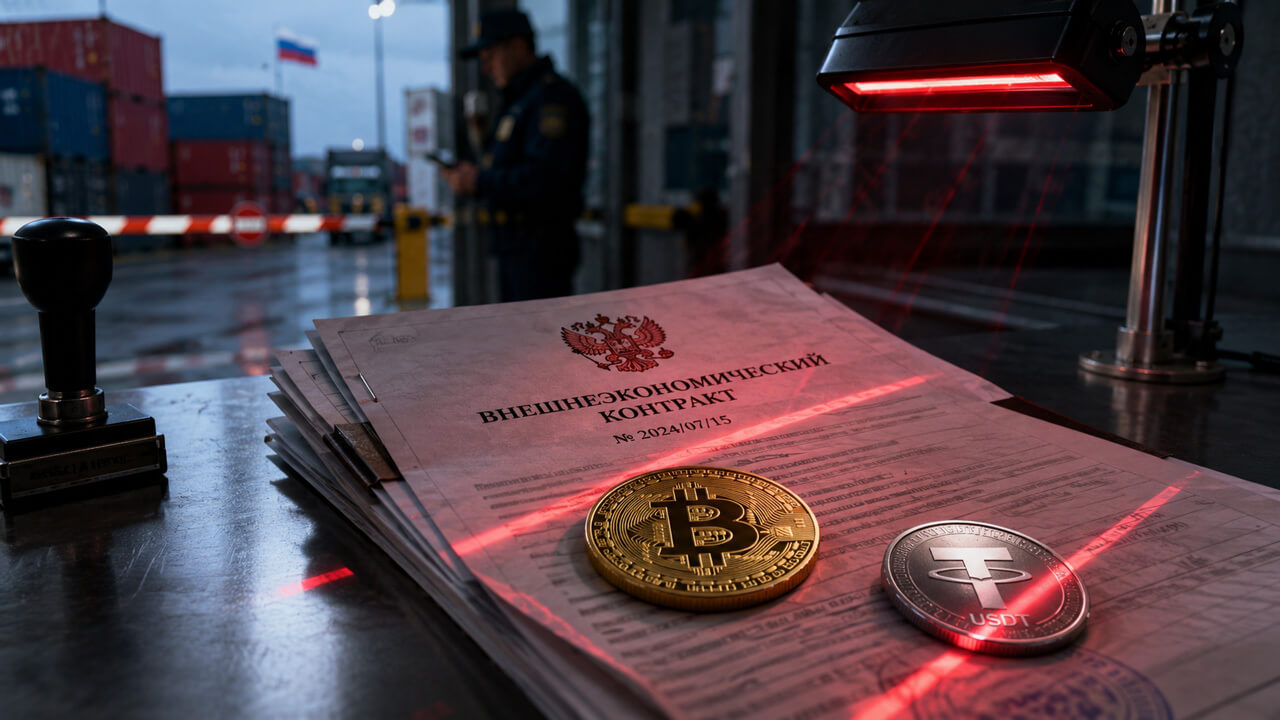
Russia creates crypto sanctions loophole, but cash-out routes remain ringfenced
Russia has legalized selected crypto use for cross-border trade settlements under an experimental legal regime, turning crypto from an informal workaround into a supervised payment test. The main issue is not domestic legality but whether foreign counterparties, exchanges, custodians, issuers, liquidity providers, and banks will participate without triggering sanctions risk. Bitcoin and stablecoins create different pressures: Bitcoin is issuer-free but still depends on wallets, exchanges, custody, and offramps; dollar-backed stablecoins are easier for invoicing but can be subject to issuer controls, freezing, and compliance restrictions. US Treasury sanctions guidance and past actions against Russia-linked crypto infrastructure mean service providers outside Russia may treat the route as too risky. No public evidence shows large-scale adoption, approved participants, or settlement volume. The corridor is legally real, but its practical value will depend on whether external crypto infrastructure remains willing to support it.