Robinhood CEO Says GameStop Incident Was a Wake-Up Call for Tokenization
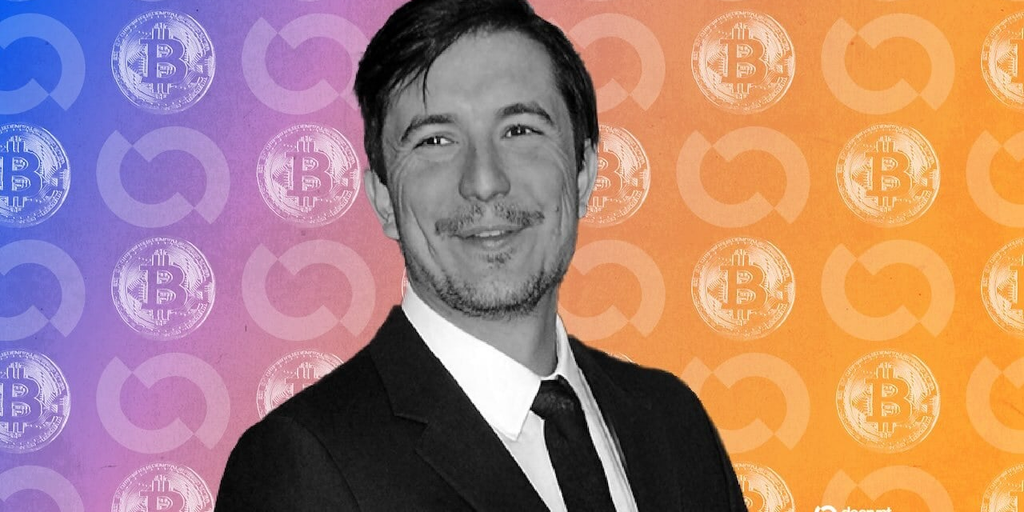
Robinhood CEO Vlad Tenev called the 2021 GameStop trading frenzy a "wake-up call" that revealed major weaknesses in the U.S. stock market's clearing and settlement systems. He attributed Robinhood’s controversial halt on GameStop trading to clearinghouse requirements tied to the then-standard two-day (T+2) settlement cycle, which caused large deposit demands and restrictions as trading volumes spiked. Tenev argued that tokenization—digitally representing stocks on a blockchain—could enable near-instant, real-time settlement, reducing such risks. Robinhood has already launched tokenized stocks in Europe with 24/7 trading features. However, critics claim that settlement delays were only part of the problem, pointing instead to Robinhood’s risk management and capital planning, since other brokers managed similar demands without imposing restrictions. Experts acknowledge that tokenization could reduce collateral pressures with proper smart contracts, but note that regulatory barriers remain, as the SEC treats tokenized securities under existing laws. Tenev maintains that regulatory clarity and standards for tokenization are essential to preventing future market disruptions like the 2021 episode.