Saylor joins Bitcoin’s BIP-110 fight as miners get one last chance to avoid forced signaling
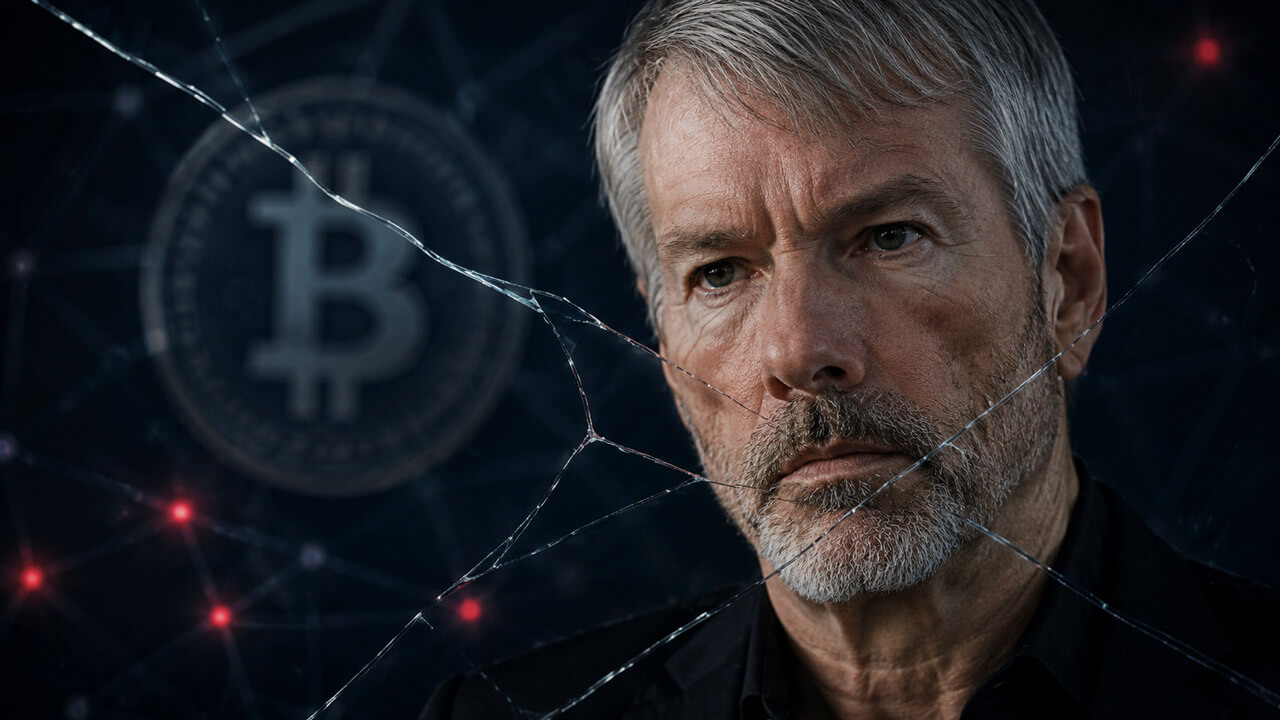
Michael Saylor has publicly opposed Bitcoin BIP-110, arguing that the proposed temporary soft fork is “more dangerous than the condition” because it would invalidate some currently valid, fee-paying transactions and set a bad consensus precedent. He supports protecting the network but prefers neutral base-layer rules, hard consensus, open markets, and permissionless innovation. The timing is unfavorable for the proposal: live monitoring shows only 0.89% signaling, and the current difficulty period cannot mathematically reach the early-lock threshold. The next full 2,016-block period is the last ordinary chance to activate via standard signaling. If that fails, BIP-110 would move into a mandatory-signaling window where enforcing nodes reject blocks without the required bit, creating a real risk of a chain split if miners and economic actors do not coordinate. Saylor’s influence raises the profile, but Bitcoin consensus still depends on miner support, node enforcement, and exchange/wallet readiness.