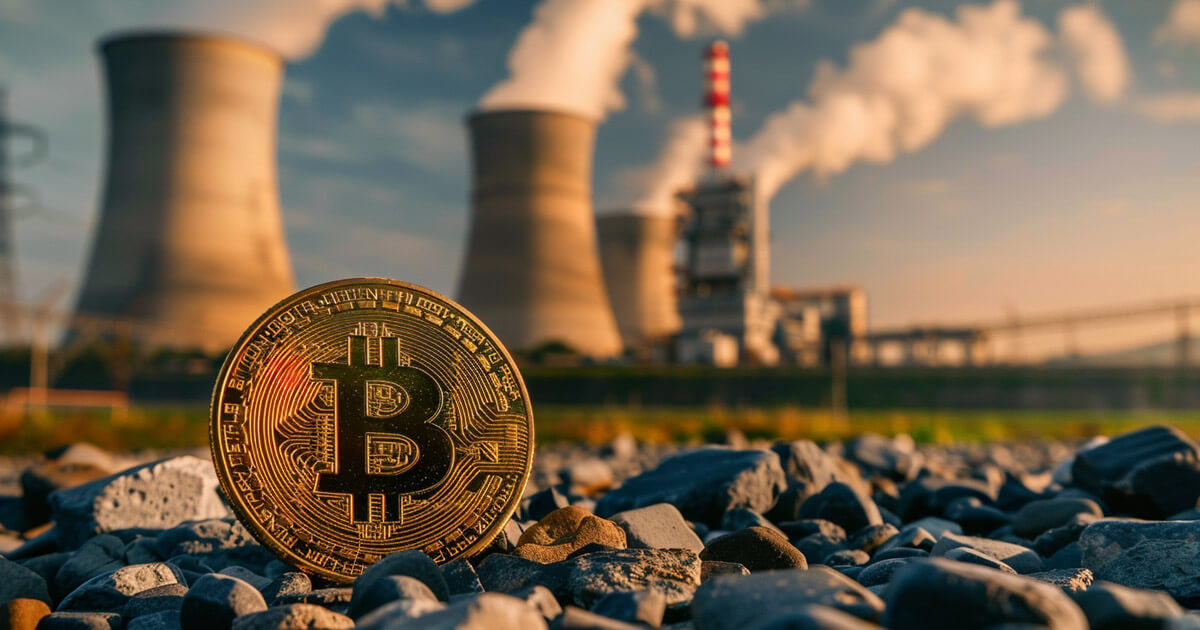
Study suggests Bitcoin mining bans could worsen carbon footprints
Bitcoin mining bans may inadvertently increase global carbon emissions by up to 2.5 million tonnes annually, according to research from Exponential Science and University College London. The study highlights that such bans in countries with abundant renewable energy, like Canada, Paraguay, El Salvador, and Norway, could lead to higher emissions as mining operations shift to regions with less sustainable energy sources. Conversely, bans in carbon-intensive countries such as Kazakhstan, China, and Malaysia could reduce emissions. The research calls for a nuanced regulatory approach, emphasizing the importance of evaluating energy sources used in mining. Policymakers are encouraged to promote renewable energy for mining and provide incentives for relocating operations to low-carbon areas, rather than implementing outright bans.