Tokenized deposits could raise US credit costs: Dallas Fed economists
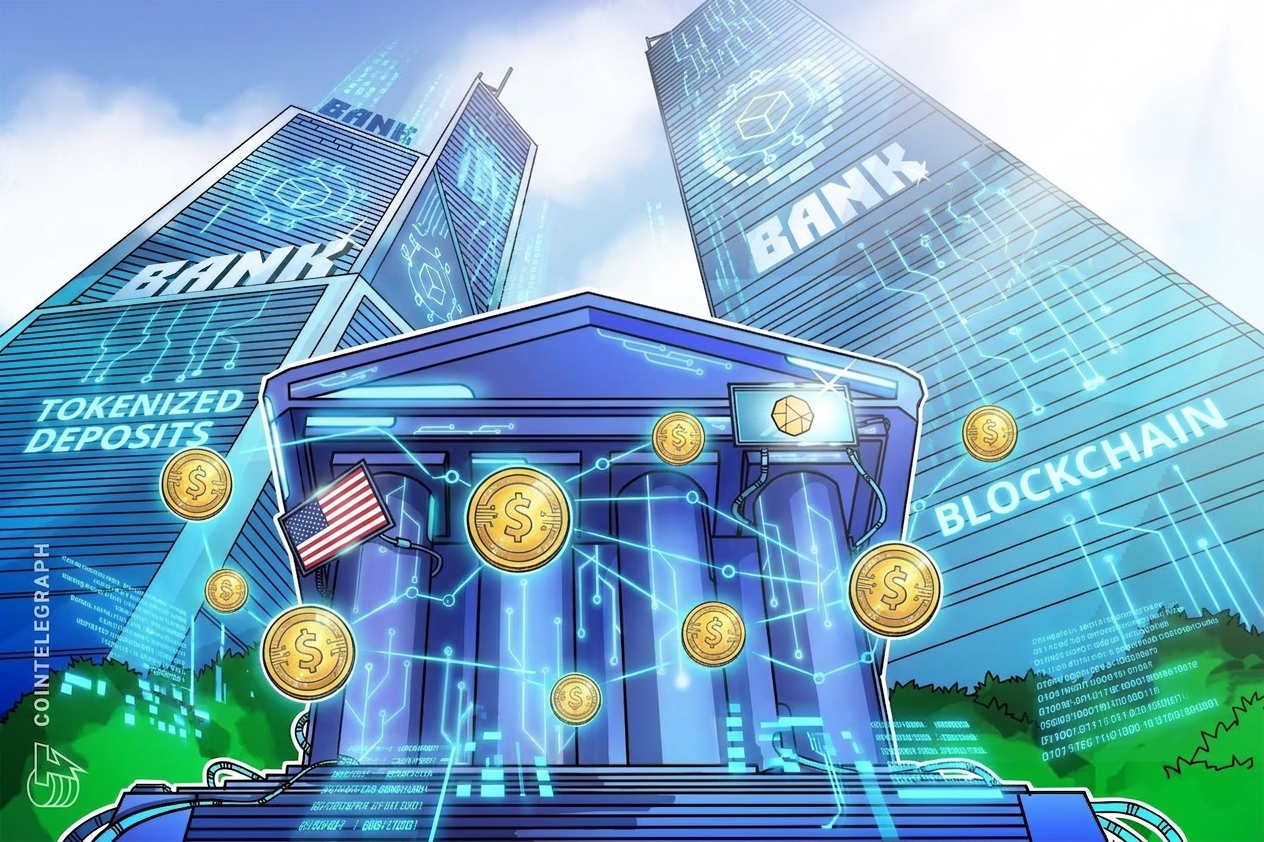
Tokenized deposits could make bank funding less stable and raise borrowing costs for households and businesses, according to two Federal Reserve Bank of Dallas economists. Instant settlement, programmable deposit tokens and agentic AI could let depositors move funds faster to chase higher yields, making deposits more rate-sensitive and shortening how long money stays at banks. In scenarios analyzed, a 10% rise in deposit rate sensitivity could cut banks’ capacity to hold long-term assets by about $700 billion over 10 years, while deposits staying 10% less time could reduce it by about $580 billion. Banks may respond by holding more liquid assets like reserves and Treasurys or relying more on term debt, which would likely increase credit costs. Banks are already building tokenized-deposit networks and cross-bank blockchain systems.