Turkish lira stablecoins show why Europe’s regulated euro tokens may struggle
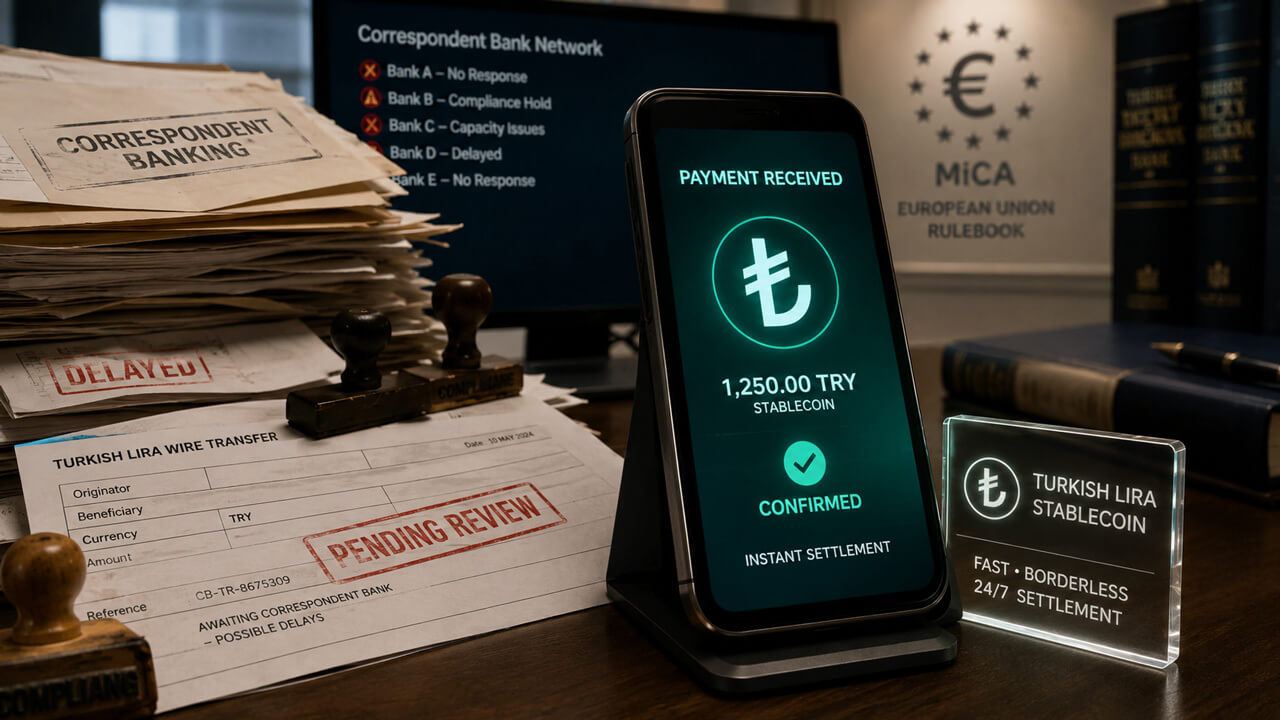
Zodia Markets processed $3.4 billion in Turkish lira stablecoin transactions in 2025, making the lira its second-most-used stablecoin currency after the dollar and ahead of the euro. Dollar tokens still dominated overall, but euro stablecoins saw only tiny usage despite Europe’s regulatory push, planned MiCA-compliant euro token projects, and work on a digital euro. The data suggests stablecoin adoption follows practical payment needs, not just economic size or regulation. Lira tokens succeeded because they helped users move money across a slow, costly correspondent-banking corridor and then convert quickly into dollar liquidity. By contrast, the euro already moves efficiently through bank rails, leaving little demand for a euro token. This splits stablecoin demand into two roles: dollar tokens as a store of value for users in currency-stressed economies, and local-currency tokens as settlement bridges into global crypto markets. Turkey’s large crypto market makes it a major testing ground, but the growth of lira stablecoins also raises regulatory and bank-funding concerns.