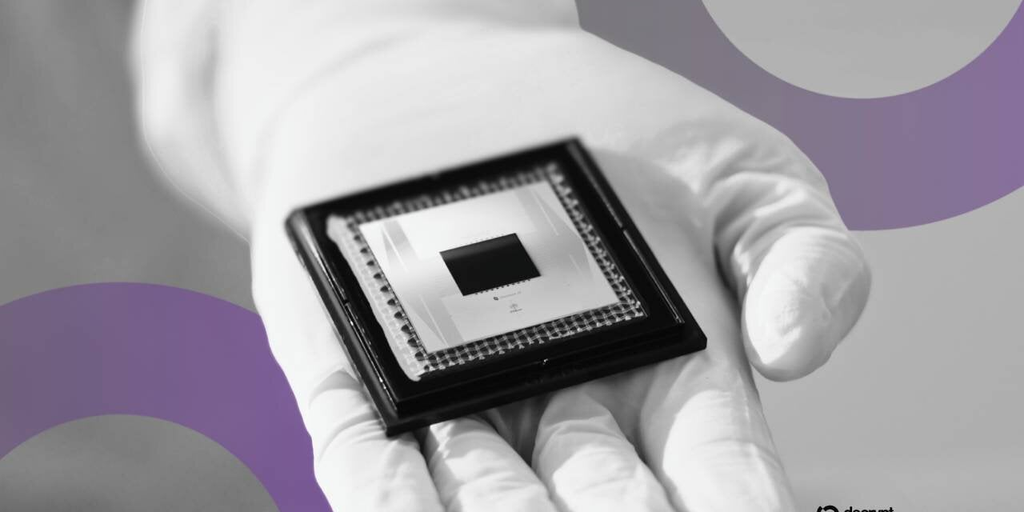
Watch Out Bitcoin: Cryptography-Breaking Quantum Computers May Be Closer Than Expected, Says Caltech
Recent research from Caltech and quantum startup Oratomic shows that practical quantum computers capable of breaking current cryptography, such as Bitcoin's elliptic-curve encryption, may require as few as 10,000 reconfigurable atomic qubits—far fewer than earlier estimates of millions or even a billion qubits. Advances in neutral-atom qubit systems, including Caltech’s demonstration of a 6,100-qubit, high-accuracy quantum computer, are rapidly decreasing the required system size for running algorithms like Shor’s, which could threaten RSA and elliptic-curve schemes. This acceleration increases pressure to transition to quantum-resistant, post-quantum cryptography. While reaching 10,000 physical qubits is now feasible, maintaining low error rates and scaling systems for fault-tolerance remains complex and challenging. The potential for quantum computers to undermine digital security is prompting shifts in cryptographic infrastructure across industries, as the risk extends beyond cryptocurrencies to all sectors relying on digital communication and security. Some experts suggest a practical, cryptography-breaking quantum computer could be realized before 2030.