What Is a Layer-1 Blockchain? The Base Layer Powering Bitcoin and Crypto
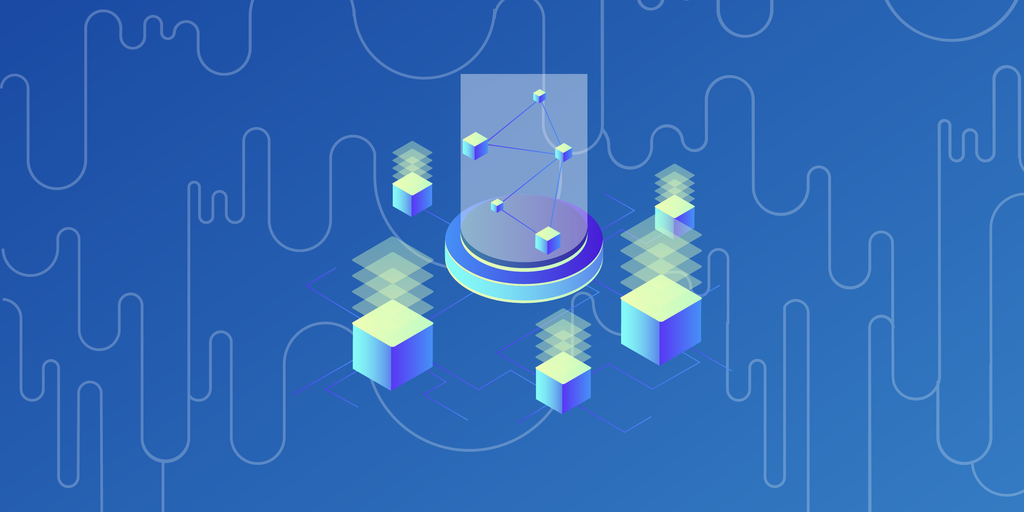
A layer-1 (L1) blockchain is the foundational and independent network of a blockchain ecosystem, managing transaction processing, consensus, and data storage on its own ledger. L1s, such as Bitcoin, Ethereum, Solana, Cardano, Avalanche, and Binance Smart Chain, function as the mainnet or settlement layer and support all higher blockchain layers. Each L1 establishes its own rules, runs its own validators, and issues a native token. They incorporate various consensus mechanisms—like proof of work, proof of stake, and others—which determine their security, speed, and energy use. A core challenge for all L1 blockchains is the "blockchain trilemma," the difficulty in simultaneously achieving high decentralization, scalability, and security. While layer-2s and sidechains improve scalability, L1s remain the ultimate source of truth and finality. L1s underpin major blockchain innovations, enabling decentralized finance (DeFi), NFTs, gaming, supply chain improvements, and asset tokenization. Ongoing developments, such as Ethereum’s Interoperability Layer, and shifts towards more energy-efficient and modular designs, ensure that L1 blockchains remain the backbone of the decentralized web.