Can Stablecoins Break Free From the US Dollar?
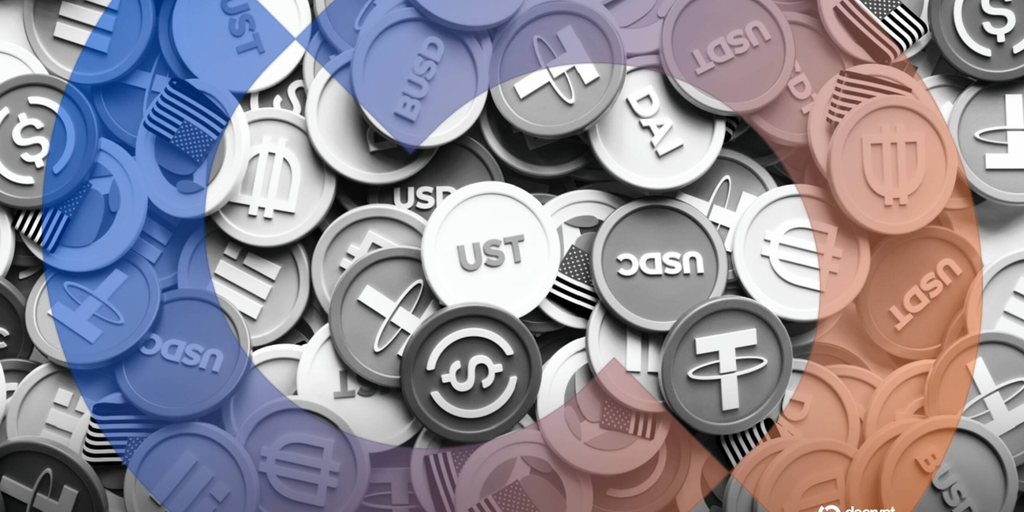
Over a decade since stablecoins emerged, over 99% remain U.S. dollar-denominated, with the stablecoin market reaching over $306 billion. The dollar’s primacy is driven by its role as the global reserve currency, and by institutional inertia and convenience—bank partnerships and exchange listings favor familiar USD tracking. However, this dominance replicates traditional finance vulnerabilities, such as regulatory exposure and reliance on U.S. monetary policy. Despite growing calls for de-dollarization amid geopolitical shifts, non-USD stablecoins have struggled to gain traction; only three rank among the top fifty by market cap. Experimentation with stablecoins pegged to commodities or baskets of assets has seen minimal adoption, hindered by liquidity, fragmented markets, and operational complexity. Algorithmic models have credibility issues following TerraUSD’s 2022 collapse. While basket- or commodity-pegged stablecoins could reduce dependence on the dollar and offer inflation protection, fiat-backed models remain easier to understand and scale, especially for institutions. Experts note that single-currency reliance is a long-term risk, but market incentives and user expectations still favor USD pegs. Lasting change may require the market to prioritize stability and independence over short-term convenience.