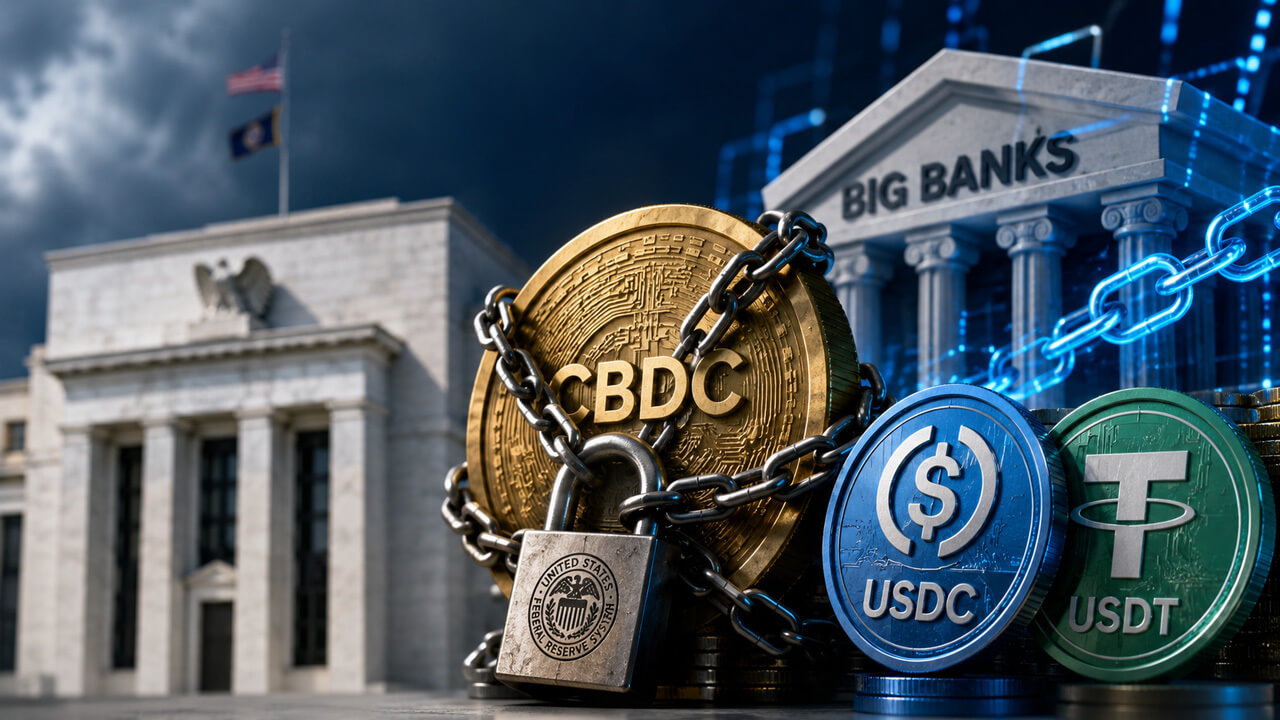
Congress blocks introduction of any CBDC in the next 4 years – but the fight over digital money is just starting
Congress has imposed a four-year ban on a Federal Reserve retail CBDC, blocking a government-issued digital dollar until at least 2031. That is a clear win for private stablecoin issuers like Circle and Tether, especially because the bill explicitly exempts private dollar tokens from the ban. But the Fed was never close to launching a CBDC, so the bigger competition is elsewhere. The real race is between crypto stablecoins and bank-issued tokenized deposits. Major banks, including JPMorgan, Citi, Bank of America, and Wells Fargo, are building a shared blockchain-based deposit network aimed at 2027. Tokenized deposits would keep money inside the banking system, preserve FDIC-style protections, and offer instant, programmable payments similar to stablecoins. Stablecoins still have an advantage in open crypto and consumer-facing use, but banks could use regulation, deposit protection, and scale to compete. The CBDC fight is largely settled; the outcome that matters now is whether digital dollars Americans use will be private stablecoins or bank money.