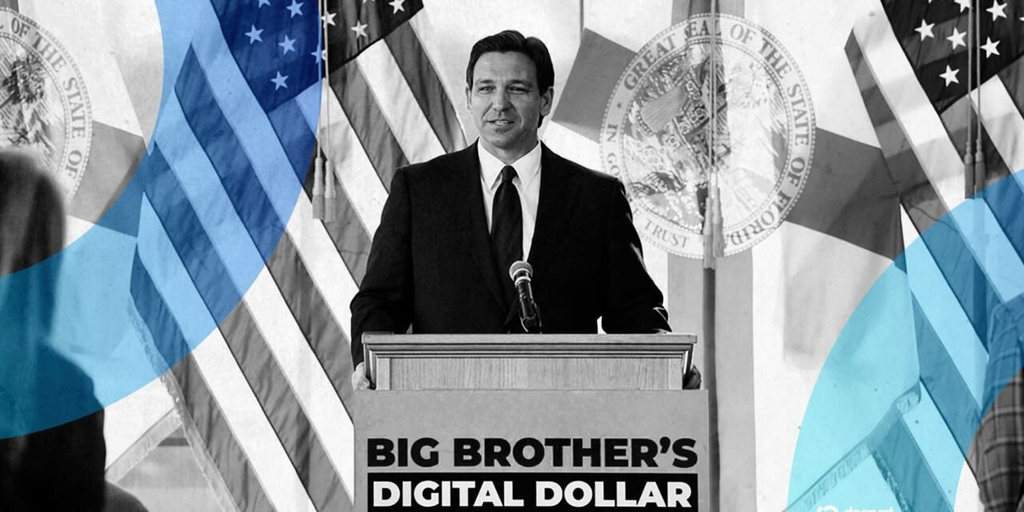
How Florida's Stablecoin Bill Mirrors 'Big Brother' Tools Outlawed Under Ron DeSantis' CDBC Ban
Ron DeSantis has vocally opposed a government-issued central bank digital currency (CBDC), warning it could enable federal overreach, such as tracking personal purchases and enforcing political agendas. Despite this, he is expected to sign Florida’s Bill 314, which establishes a regulatory framework for stablecoins—privately issued digital currencies usually pegged to the dollar. The bill, unanimously passed by Florida’s Senate, requires issuers to report transactions above $10,000, mirroring anti-money laundering rules. This move may contradict DeSantis’ prior stance against centralized digital money and government surveillance, as it gives Florida’s Office of Financial Regulation new oversight powers. Stablecoins differ from CBDCs in that they are privately managed, while CBDCs are public and federally guaranteed. Florida previously banned a "centralized digital dollar," and a recent U.S. Senate bill seeks to pause CBDC development until 2030. Critics note the contradiction of politicians decrying CBDC surveillance while supporting increased state control over digital assets. Federal-state collaboration is expected for stablecoin regulation, and broader national debates continue over digital currency oversight and individual financial privacy.