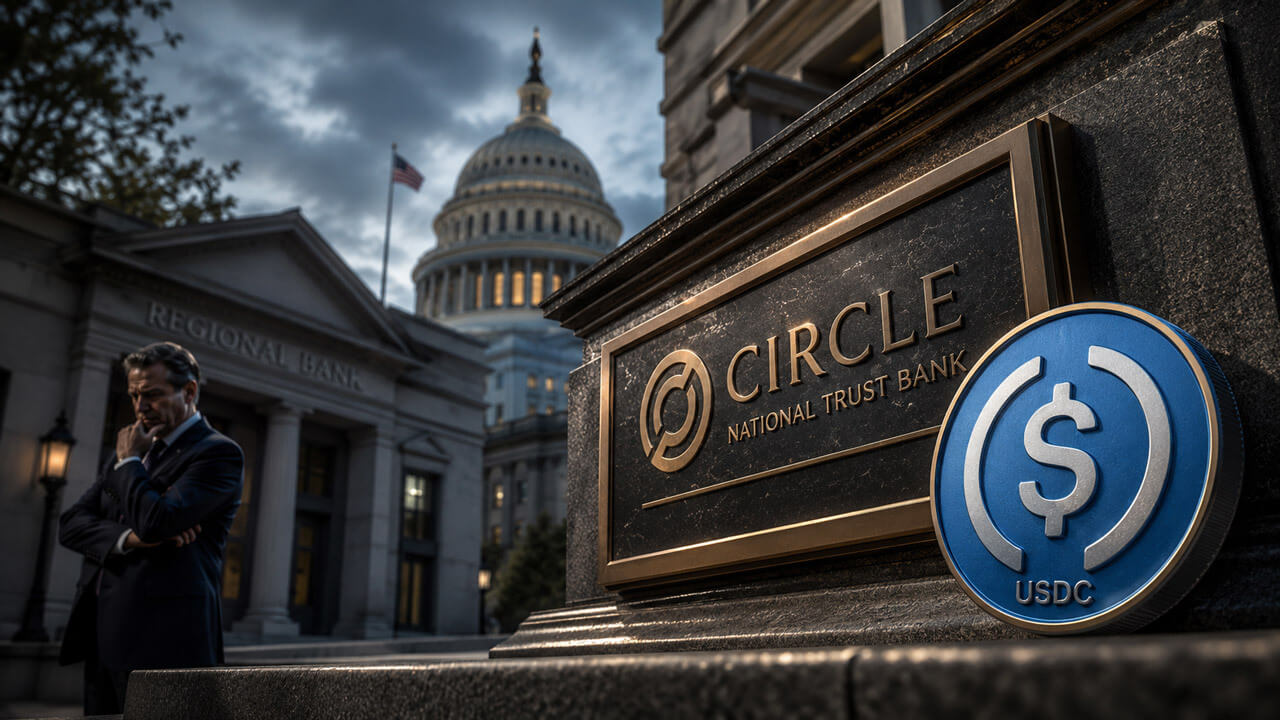
One year later, GENIUS Act just made stablecoins easier to sell
One year after the GENIUS Act, the stablecoin market is about $310 billion, led by USDT and USDC. The law created a federal framework for full reserves, redemption rights, and monthly disclosures, but most implementation rules are still pending. The first year mainly changed perception: banks, payment firms, and institutions now treat stablecoins as financial infrastructure, and enterprise sales cycles have shortened. Commercial momentum is visible in Triple-A’s pipeline and Visa’s expanding settlement pilot and new enterprise platform. But deployment still depends on bank approvals, custody, compliance, and cross-border legal clarity, which can add months per relationship. Stablecoins are also increasingly seen as plumbing for tokenized securities, private credit, and settlement. Early winners may be firms already inside the federal perimeter, such as Ripple, Fidelity Digital Assets, BitGo, Paxos, and Tether’s USA₮ setup. Final rules and broader legislation would likely make stablecoins routine settlement tools; delays could leave advantage concentrated among incumbents and early movers.